Carnegie Mellon shows Pixel, a two-armed robot with a sub-$15,000 build cost
Carnegie Mellon researchers built Pixel, a wheeled two-armed robot that learns from human demonstrations, with a reported build cost under $15,000.
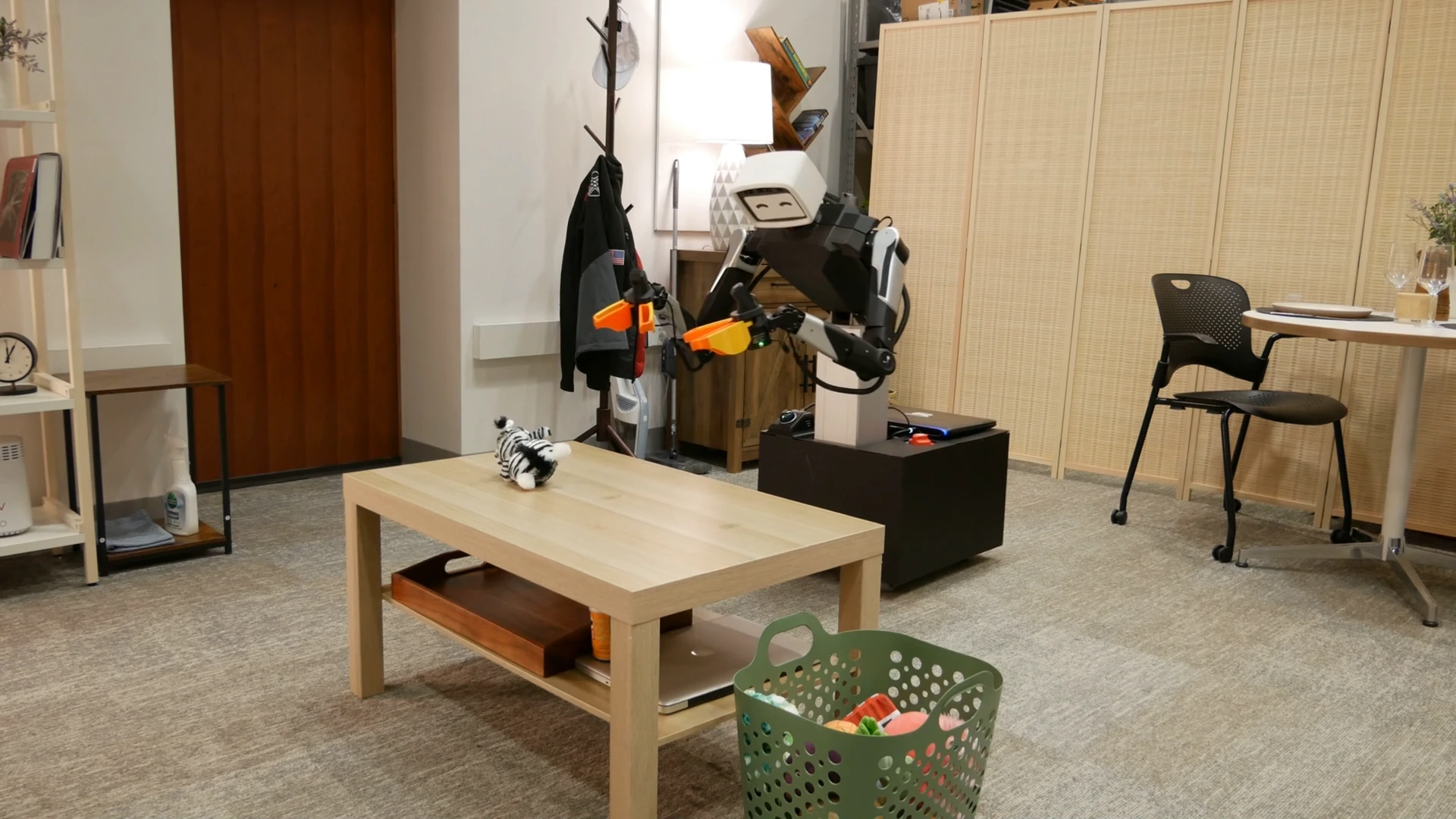
Researchers at Carnegie Mellon University have presented Pixel, a wheeled robot with two arms that they say can be built for less than $15,000. Two papers published on 2 November describe the hardware and a method for teaching it from human demonstrations. Tony Tao and Jason Jingzhou Liu lead the work, together with Ruslan Salakhutdinov and Deepak Pathak.
The robot has a 17-degree-of-freedom upper body on an omnidirectional base, with a vertical lift and a jointed torso. People record demonstrations using sensor-equipped grippers and a head-mounted camera. The companion Pixel-UMI paper rebuilds the scene from those recordings so human hand motion can be turned into robot postures that avoid collisions. It reports 87% average task progress across five tasks, a score that also rewards partial completion. Autonomous demos include tidying toys and pillows, vacuuming and fetching snacks. Clips such as loading a dishwasher are teleoperated and labeled that way.
Why it matters
The $15,000 figure is a research build cost, not a retail price, and Pixel is a university project rather than a product of Skild AI, the company Pathak cofounded. The authors note that the planner still relies on a fixed library of skills, which limits what tasks it can take on. Watch for the open-source release the project site says is coming soon, since it would let other labs test whether the design holds up outside Carnegie Mellon. No date has been given.