Unitree still builds most of its robots by hand, an investor's factory visit finds
Investor Josef Chen says Unitree's Hangzhou plant relies on manual work, and he argues US wages and trade rules make factory automation worth far more in America.
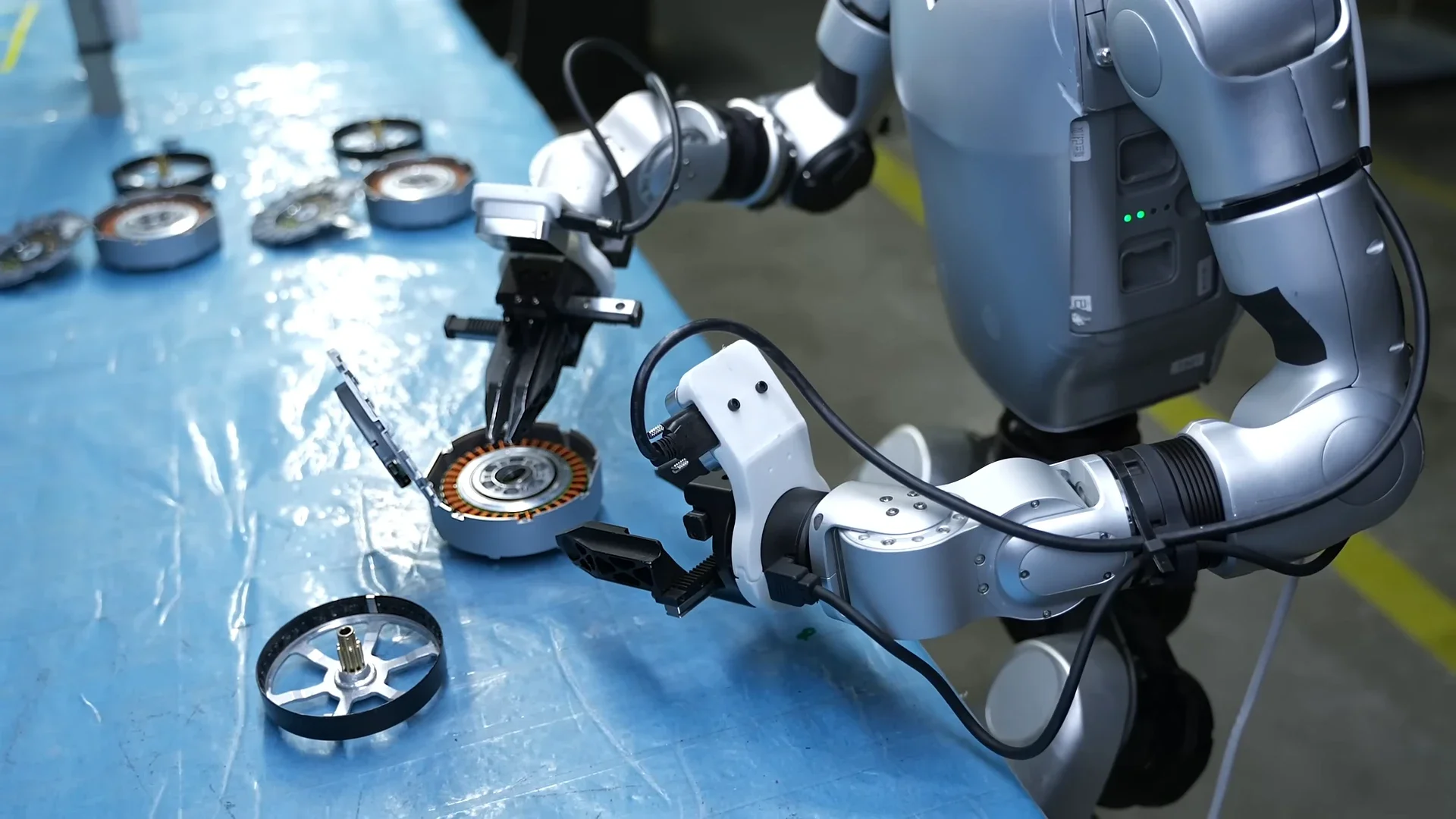
Unitree, the Chinese maker of humanoids and robot dogs, still relies mostly on human workers to assemble its machines. Josef Chen, founder of Kaikaku and an investor in US hardware startups, toured the Hangzhou factory and wrote up the trip in early November. Most of the actuator area was staffed workers operating winding machines, with only a pair of new automated lines. Photography was banned.
Chen backs his view with Unitree's IPO filings. Its machinery was valued at about $1.7 million at the end of 2025, or roughly $50 for each of the nearly 32,000 robots built that year. Direct labour was only 8.1% of cost of goods, so automating saves little: a new motor line would cut labour per motor by 57% but trim a robot's cost by just 1.7%. Chen estimates labour would reach about 40% of costs at US wages, making the same line worth five or six times more to an American builder.
Why it matters
Chen's argument is that the equipment used to make robots, especially motors and winding lines, is an open field, helped by the FCC's July rule on foreign-made robots. He also discloses stakes in several startups that could gain from that view. Unitree has not said when it will automate assembly beyond its joint modules. Watch for the next notes in his series, and for whether US humanoid makers keep building their own production lines.