WiBotic CEO says opportunity charging is now needed as robot fleets grow
WiBotic CEO Ben Waters says fleets of 20 to 40 robots hit charging bottlenecks, making short wireless top-ups a practical way to keep robots running around the clock.
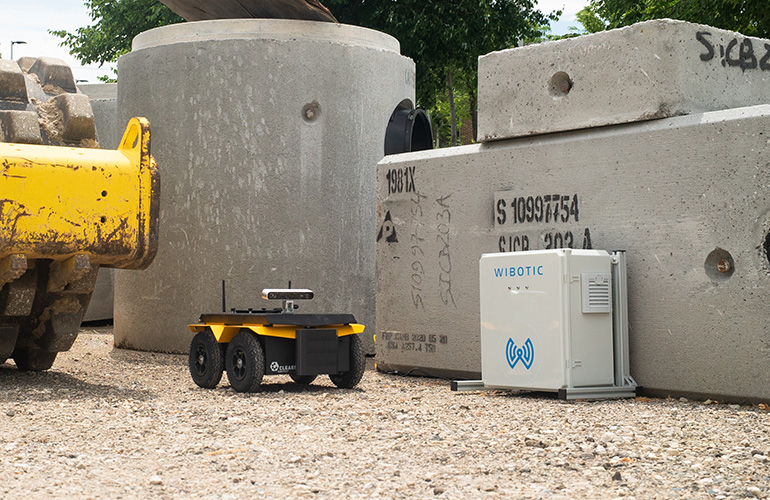
Ben Waters, CEO of wireless charging firm WiBotic, described how charging strategy is shifting as robot fleets grow. Speaking on The Robot Report Podcast, he said the old approach of sending a robot to a distant charger once its battery falls to 20% starts to cause real downtime in fleets as small as 20 to 40 machines.
His answer is opportunity charging: placing chargers where robots already pause between tasks, so even a 10-second stop adds energy. Waters argued this only works well with wireless power, since contact chargers would be hit far more often and need more maintenance. He also said WiBotic has expanded into floor care, medical carts, space and defense, and sees growth in automotive AMRs, outdoor substation inspection and humanoids.
Waters urged designers to plan for three things early: electrical outlets rated for the planned chargers, the right battery size, and maintenance. He warned that demanding the fastest possible charging can hurt battery life and add needless cost.
Why it matters
Charging is turning from an afterthought into a fleet-level design choice that affects uptime, battery cost and facility wiring. The excerpt is an interview, so it offers no customer data or performance figures for opportunity charging. Watch for WiBotic's higher-power systems and for any charging data tools meant to flag power problems, which the full podcast covers.