XPENG backs a vision model that helps robots learn with fewer demonstrations
XPENG highlighted GroundingPI, a four-billion-parameter vision model that beat rivals in a simulated humanoid test while using less demonstration data.
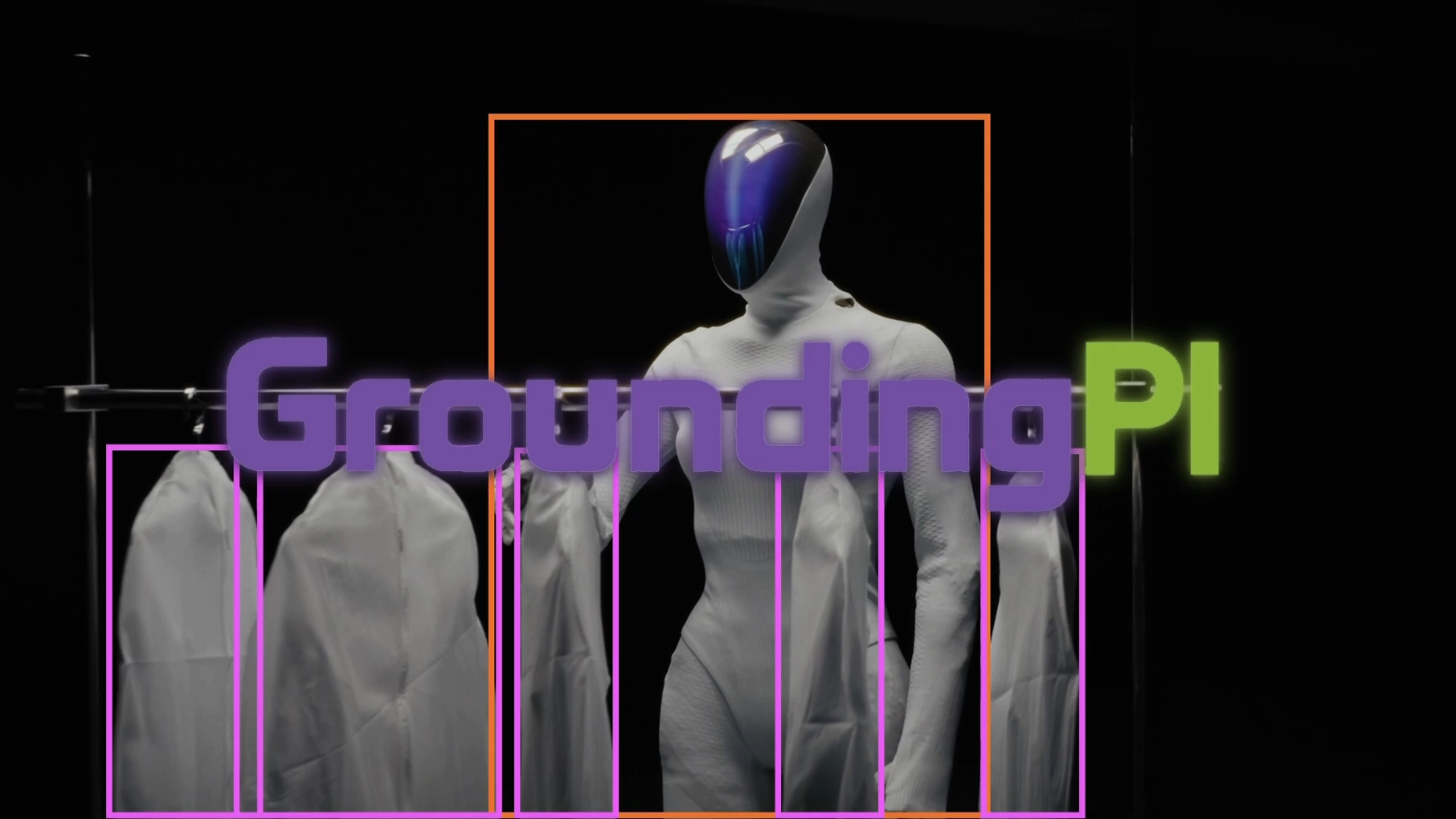
XPENG announced on November 4 that it is highlighting GroundingPI, a vision model of roughly four billion parameters built to find objects and their parts in an image. Researchers linked to XPENG, Peking University, the University of Hong Kong and other institutions developed it. The paper came out on September 30, and code and model weights followed in early October, so the project was already public.
The model marks locations with points and bounding boxes, so a robot can act on a result such as the handle of a specific cup. On 34 perception benchmarks in 11 categories, it scored 73.68 on average against 71.54 for GPT-6 Astra. That covers perception only, not general reasoning.
In the simulated RoboCasa-GR1 humanoid benchmark, policies built on GroundingPI trained with half the demonstrations did better than rival vision models trained with three-quarters. The team also reports gains in four RoboTwin 2.0 tests outside the training distribution.
Why it matters
Collecting robot demonstrations is slow and costly, so a vision base that cuts the amount needed could speed up humanoid development. Still, every result is from simulation, and the policies still learn from robot demonstrations. XPENG has not said GroundingPI will run in its IRON humanoid or any product. The authors also note weak spots in small-object localization and text recognition. Watch for tests on real hardware.